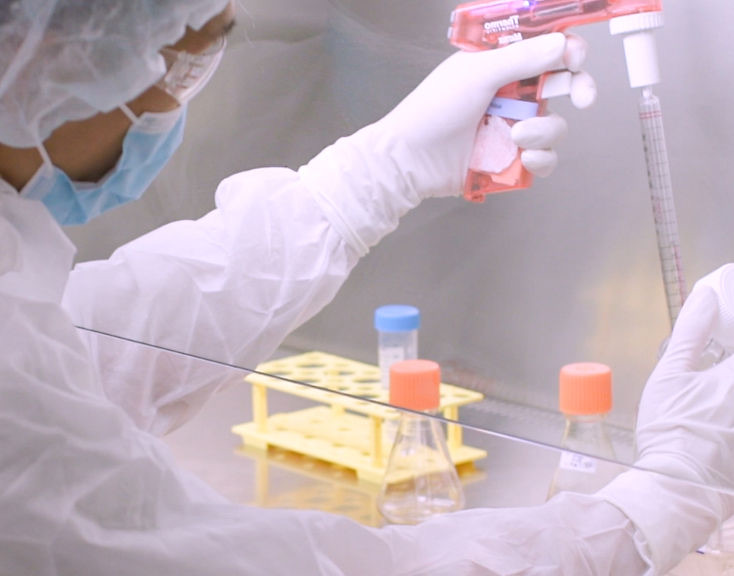
Multi-Host Expression Systems
Four expression platforms, E. coli, Pichia yeast, baculovirus/insect cells, and mammalian cells: screened in parallel to deliver soluble, functional protein from milligram to gram scale.
Choosing the Right Host
No single host suits every target. NBF runs parallel optimisation across hosts at the start of each project to identify the fastest, highest-yielding route to functional protein.
| Platform | Strengths | Typical Use |
|---|---|---|
| E. coli | Lowest cost, fastest setup, highest cell densities, mature genetics | Single-domain proteins, nanobodies, peptides, soluble cytoplasmic targets |
| Yeast (Pichia) | Eukaryotic post-translational modifications, secreted protein, methanol-induced | Secreted proteins, glycoproteins where simpler glycans suffice |
| Insect (BEVS) | Complex post-translational modifications, high success rate for soluble protein | Membrane proteins, complex multi-subunit assemblies, virus-like particles |
| Mammalian | Human-like glycosylation, dominant host for therapeutic biologics | Antibodies, Fc-fusions, glycoproteins, research-grade and biotherapeutic proteins |
E. coli Bacterial Expression
The fastest, most cost-effective route to recombinant protein. NBF maintains a comprehensive panel of E. coli expression strains: BL21(DE3) and variants (pLysS, CodonPlus-RIL, Star), Rosetta, Arctic Express, Tuner, and the disulfide-friendly Shuffle T7 Express: coupled with a vector library covering pOPIN, pET and pGEX backbones.
Production is supported from screening shake flasks through to twin 10 L stirred-tank fermenters for high-density bacterial cultures. Optimisation parameters include strain selection, induction temperature (37 °C, 30 °C or 15 °C cold-shock), chaperone co-expression, codon optimisation, and media formulation alternatives (TB, 2×YT, chemically defined).
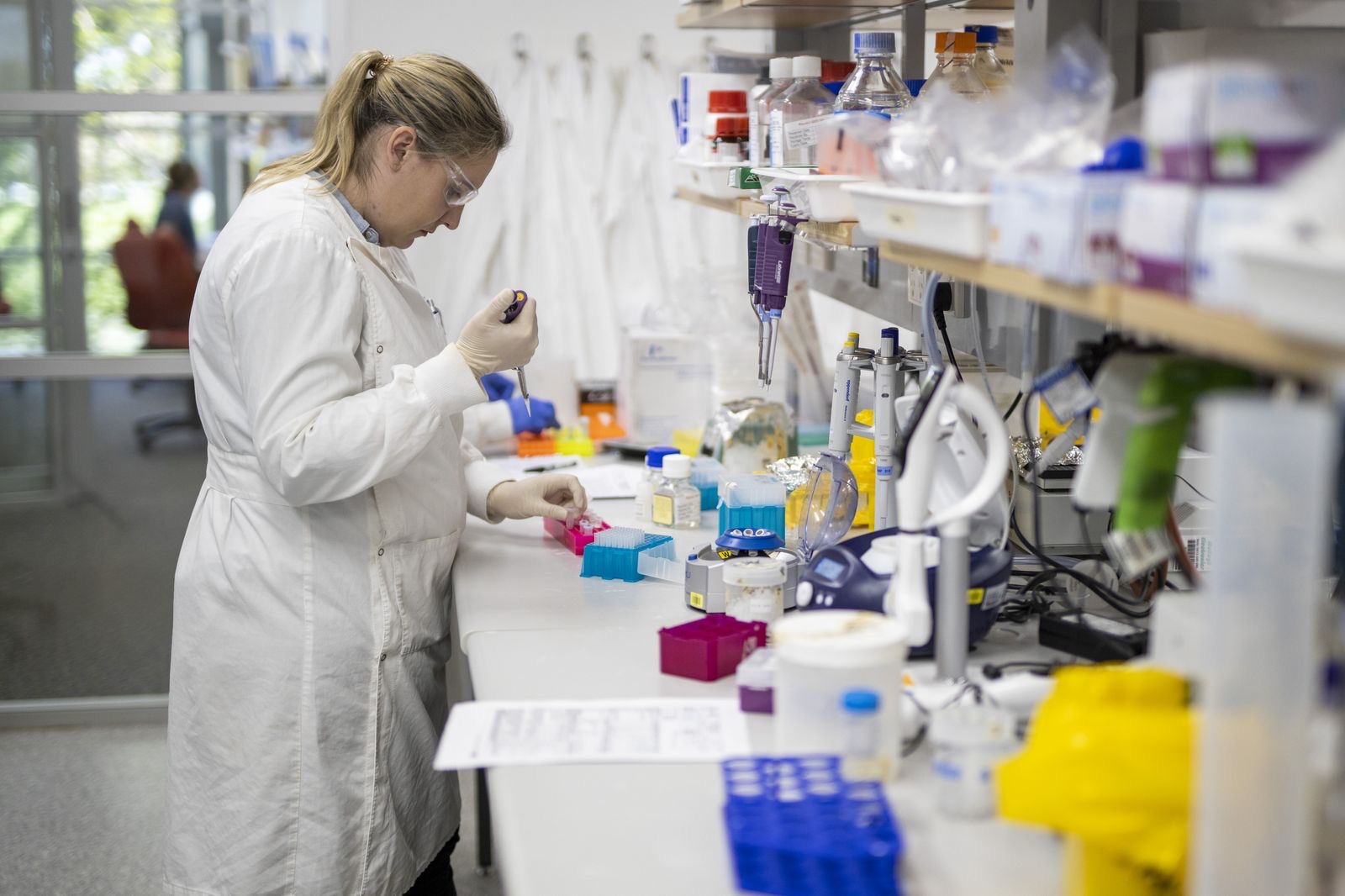
Yeast Expression (Pichia pastoris)
Combining the high cell density and ease of E. coli with the eukaryotic post-translational machinery needed for many secreted glycoproteins. Strain options include PichiaPink (Strains 1–4), GS115, X-33 and KM71H, with vector backbones for both methanol-inducible (AOX1 promoter, pPICZα) and constitutive (GAP promoter) expression.
Standard workflow includes strategy development, electroporation transformation, small-scale clonal screening, and scale-up to 10 L stirred-tank fermenters. Clonal variability assessment is built in by default, the most productive isolate from a panel of independent transformants is carried forward.
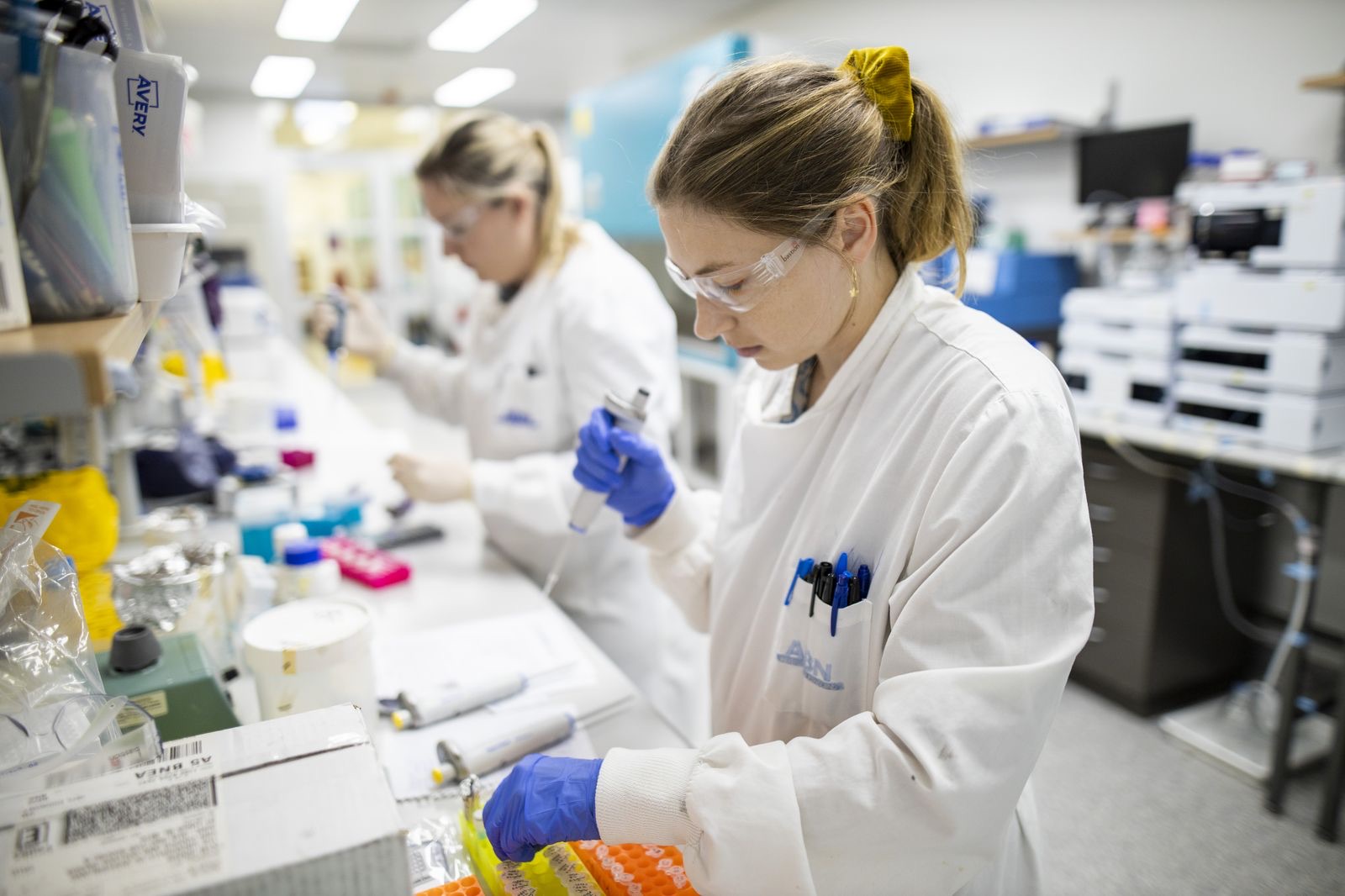
Baculovirus / Insect Cell Expression (BEVS)
For complex eukaryotic targets that won't fold or assemble in E. coli or yeast: virus-like particles, multi-subunit complexes, membrane proteins, and demanding glycoproteins. NBF supports Bac-to-Bac (pFastBac-1, pFastBac Dual), flashBAC, BaculoGOLD and BaculoDirect technologies.
Cell line options span Sf9 (Spodoptera frugiperda), Mimic Sf9 (engineered with mammalian glycosyltransferases for human-like glycans), and High Five™ (Trichoplusia ni). Production scales from shake flask through to a 25 L WAVE bioreactor, with optimisation across cell line, MOI, temperature (typically reduced to 21 °C) and harvest timing (48–72 h post-infection).
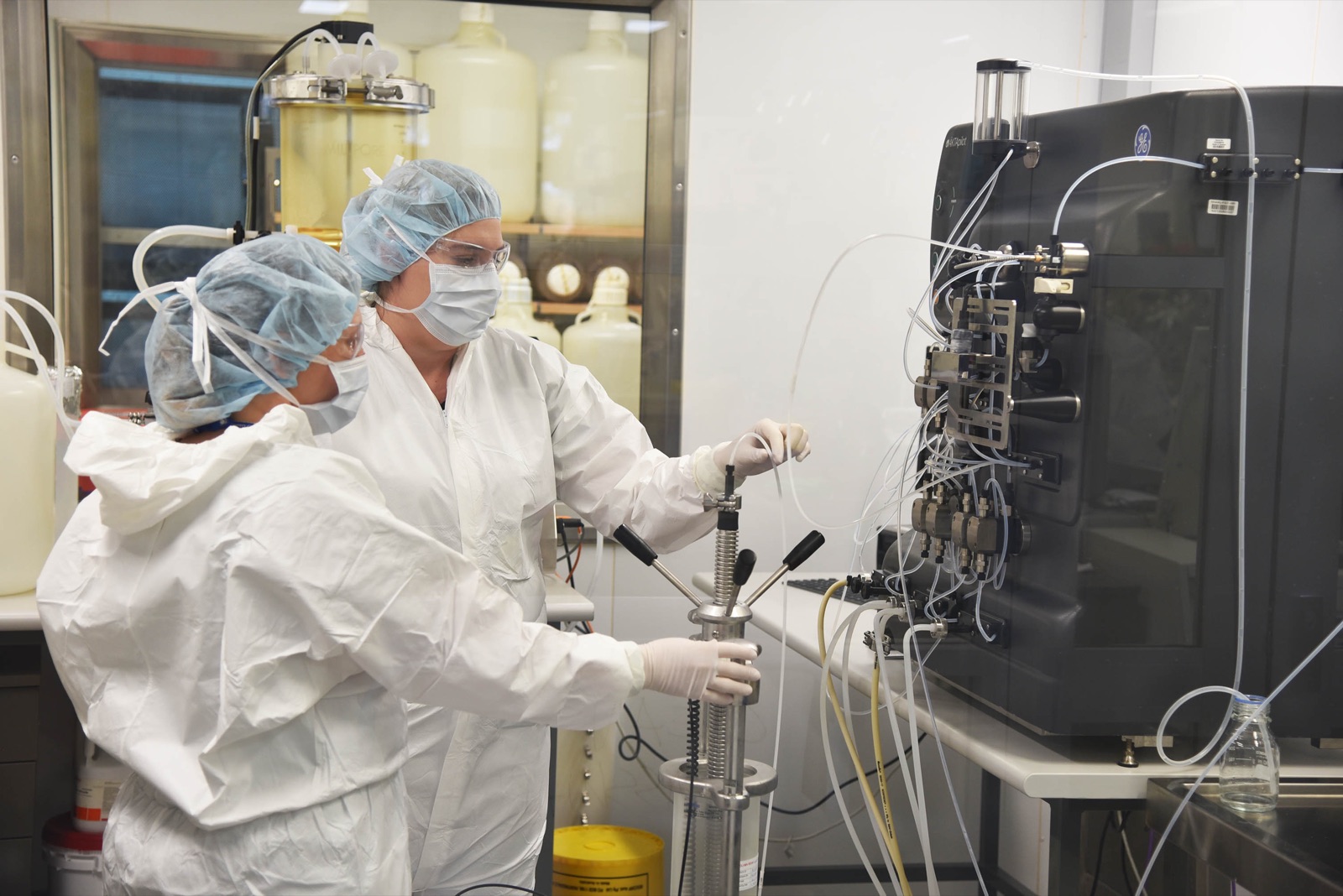
Mammalian Cell Expression
The dominant host for therapeutic biologics, and the bridge from research-grade protein to clinical drug substance. NBF's mammalian platform is built around industry-standard CHO and HEK293 cell lines, with vector backbones (pcDNA3.1, pcDNA3.3, pOPIN mammalian) selected for regulatory acceptance and downstream scale-up.
Both transient transfection (rapid, 4–5 days post-transfection) and stable pool / stable cell line development are supported. The Beacon Optofluidics Platform accelerates single-cell cloning by evaluating thousands of clones in parallel, with high-throughput productivity screening and early characterisation feeding clone selection. From there, NBF integrates seamlessly into its own process development and Phase I-enabling manufacturing workflows under an ISO 9001 quality management system.