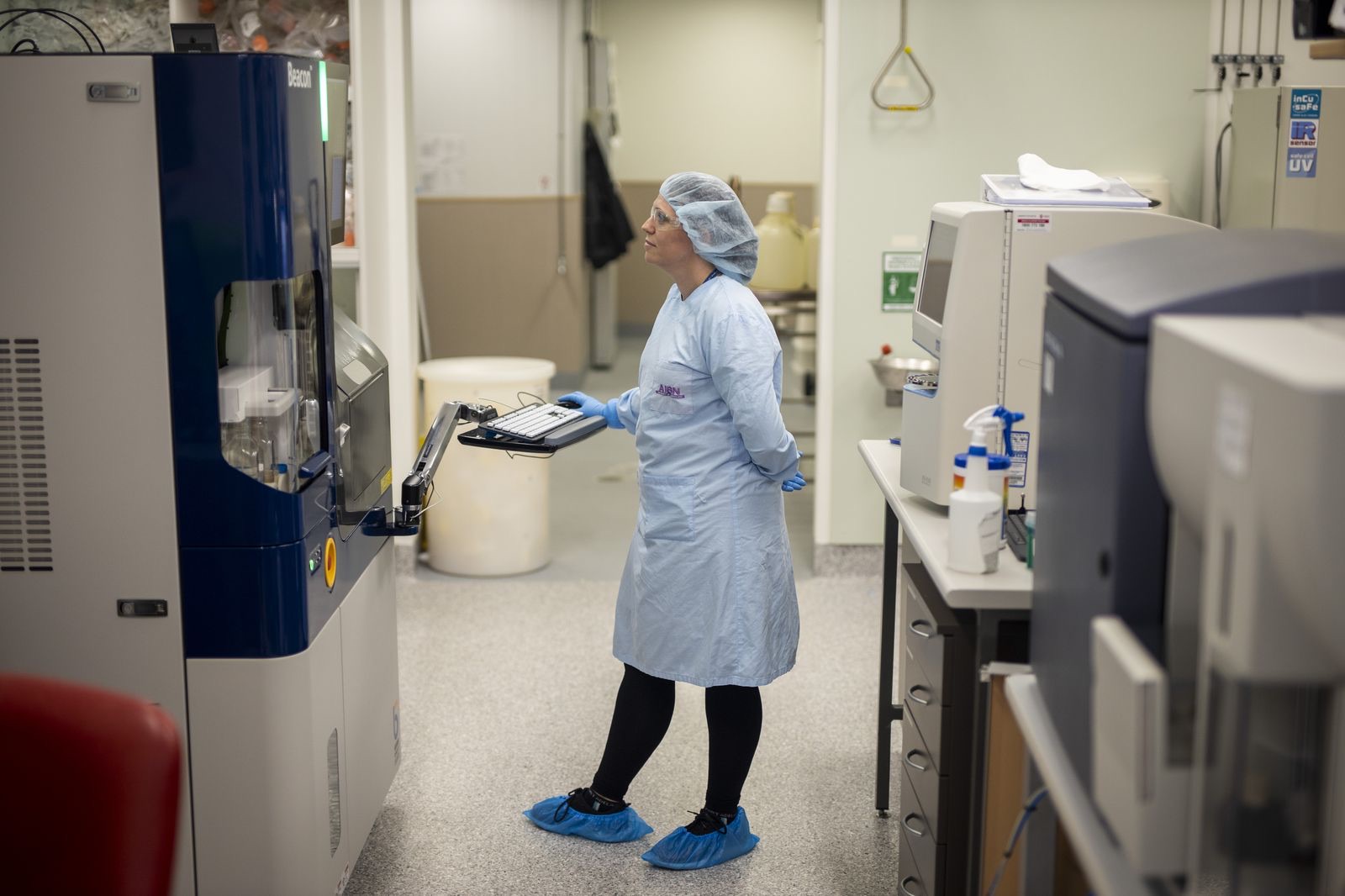
Phase I-Enabling Manufacturing
The NBF has a proven track record of working with our collaborators to develop programs through to Phase I clinical end points.
Phase I Clinical Manufacturing
The NBF has a proven track record of working with our collaborators to develop programmes through to Phase I clinical endpoints across all major biologic modalities: monoclonal antibody (mAb) manufacture, antibody-drug conjugate (ADC) precursor manufacture, recombinant vaccine antigen manufacture, Fc-fusion proteins and therapeutic enzymes.
As Australia's leading biologics clinical manufacturing organisation and biomanufacturing facility, NBF provides an integrated pathway from cell line development through to clinical-grade drug substance production. Our team at the Australian Institute for Bioengineering and Nanotechnology (AIBN), The University of Queensland, has successfully supported multiple therapeutic development programmes: spanning antibody manufacture, vaccine manufacture and broader biologics manufacture, in advancing novel biotherapeutics into first-in-human clinical trials. Each manufacturing campaign is executed under our ISO 9001 certified quality management system, ensuring that recombinant protein production meets the rigorous standards required by Australian regulatory authorities for clinical use.
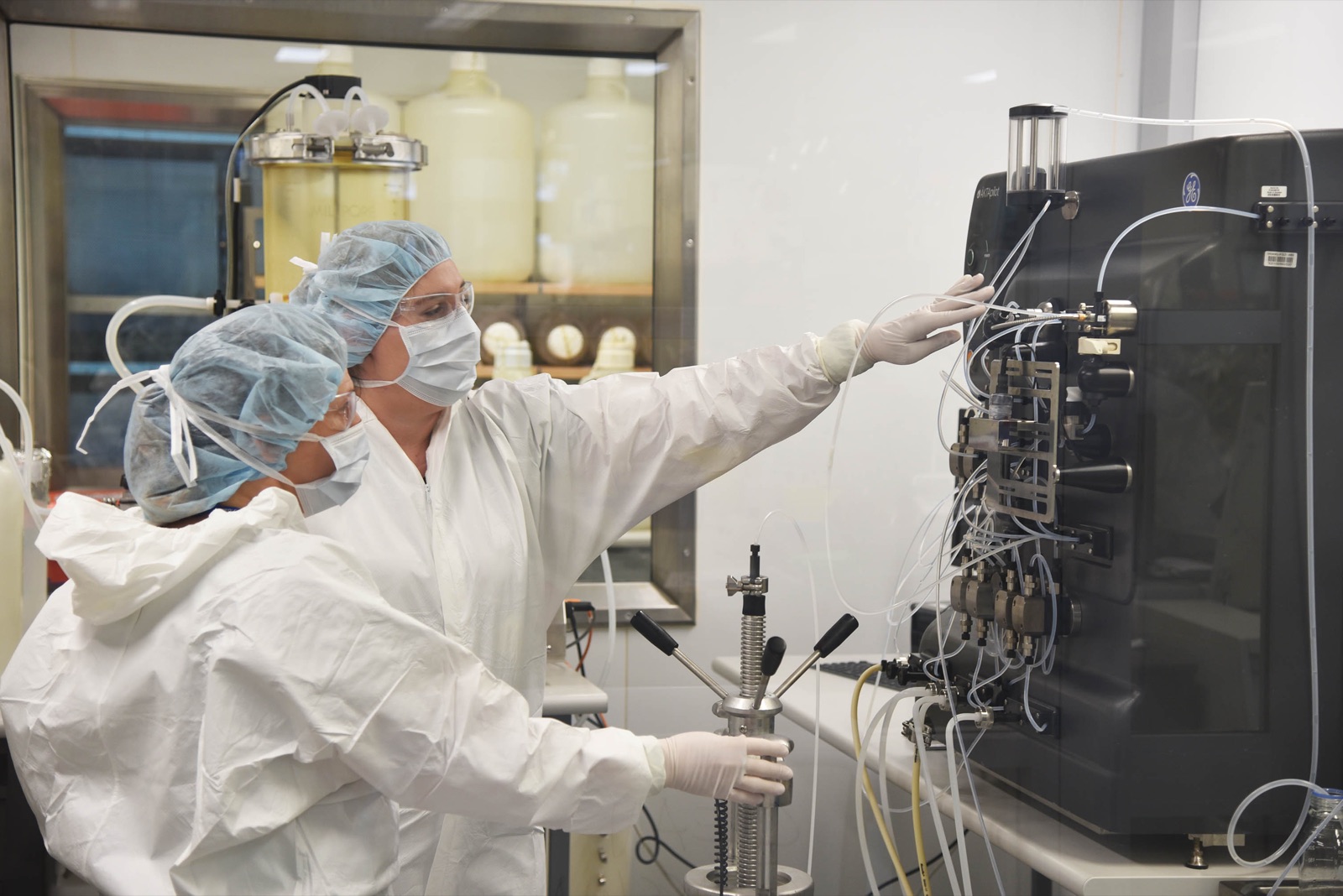
Process Scale-Up to 50 L
The NBF has established equipment platforms and process models to enable efficient tech transfer and scale-up from shake flask up to 50 L bioreactor scale, offering affordable production services whatever your application or material volume and quality requirements.
Our 50L single-use bioreactor capacity represents a versatile production scale suited to both preclinical material generation and Phase I clinical supply. NBF's established platform processes for monoclonal antibody and recombinant protein production enable streamlined technology transfer from client laboratories, reducing the time and cost associated with process adaptation. The facility's scale-up capabilities are complemented by comprehensive in-process monitoring and analytical testing, ensuring consistent product quality from bench through to final protein manufacturing at clinical scale.
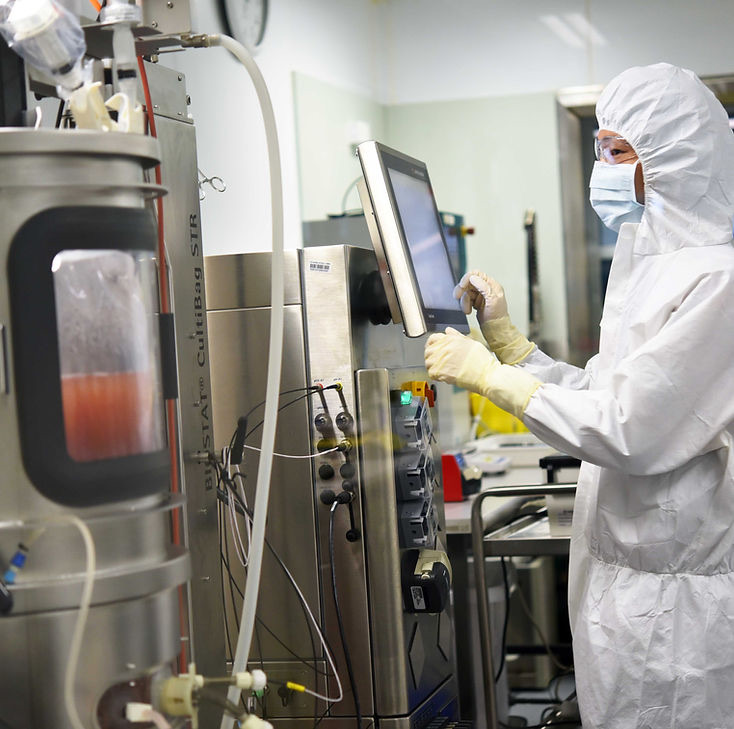
QC Release Testing and Stability Monitoring
We take a risk-based approach when establishing assays and specifications for each product destined for early phase clinical trial. The NBF can support your release and stability testing programs utilising qualified assays to ensure product quality, efficacy and safety.
NBF's analytical capabilities for release testing encompass protein characterisation assays for identity, purity, potency, and safety attributes, generating the comprehensive certificate of analysis required for each manufactured batch of drug substance. Our stability monitoring programs follow ICH guidelines to evaluate product behaviour under real-time and accelerated conditions, providing the data necessary to establish shelf-life claims and inform storage and transport requirements. This rigorous approach to quality control testing gives sponsors confidence that their biologics development programs are built on robust, regulatory-ready analytical foundations.
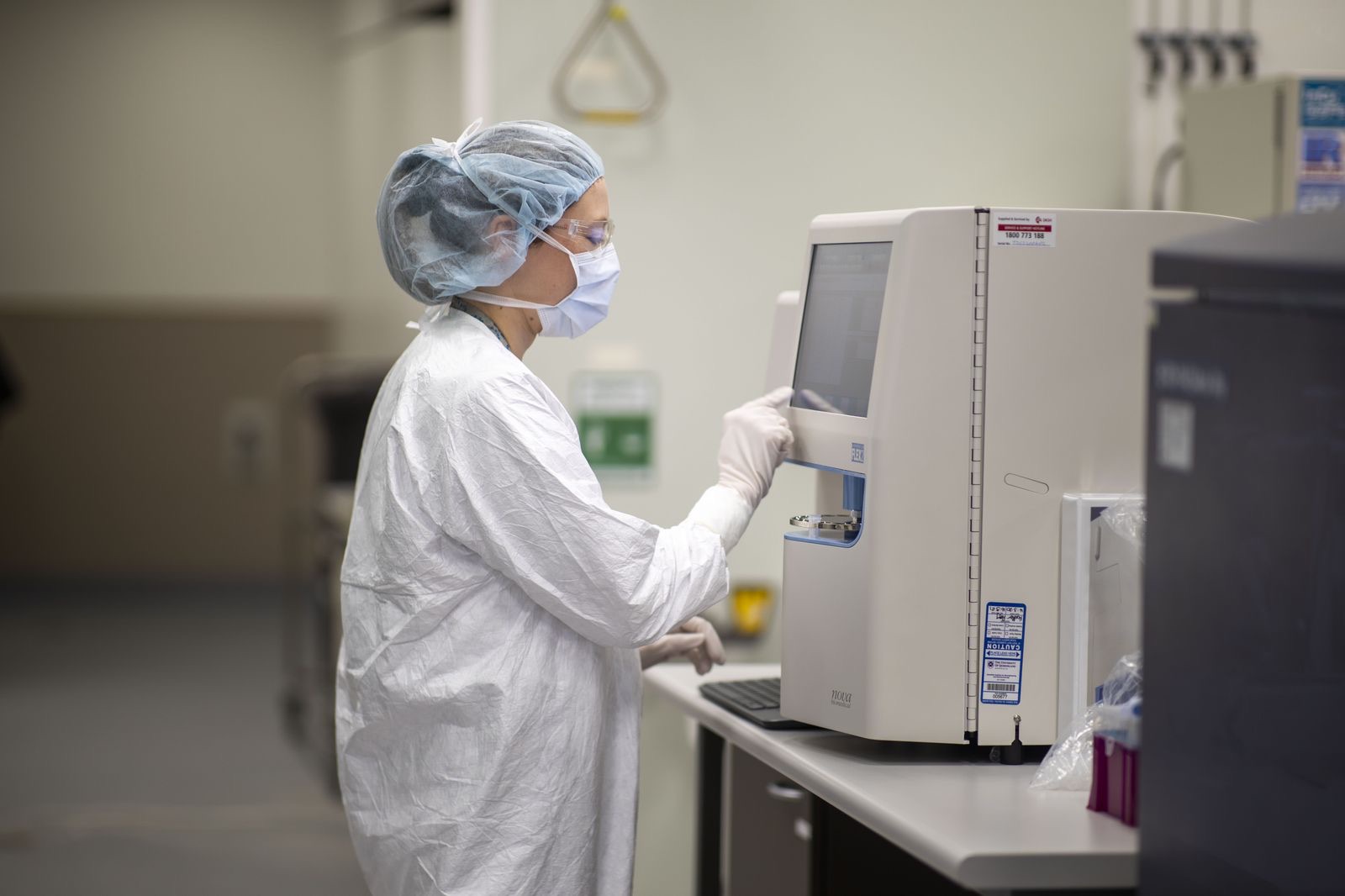
Quality Management System
The NBF operates under a phase-appropriate Quality Management System certified to ISO 9001. We are committed to the development and manufacture of high-quality recombinant proteins and to a continuous improvement program which incorporates new technologies and practices in keeping with global best practice.
Our quality system governs all aspects of clinical manufacturing operations, from vendor qualification and equipment calibration through to batch record review, deviation management, change control, out-of-specification investigations, and corrective and preventive actions. Operating at PC2 biosafety level, NBF maintains the environmental monitoring and containment controls necessary for safe and compliant biopharmaceutical production. This quality-first culture, combined with the scientific expertise of our team at The University of Queensland, ensures that every drug substance manufactured at NBF meets the specifications demanded by clinical trial sponsors and regulatory bodies alike.
Technology Transfer
NBF supports technology transfer to a GMP-accredited contract development and manufacturing organisation (CDMO) for clinical and commercial manufacture. All process documentation, analytical methods, and batch records generated at NBF are compiled into a comprehensive technology transfer package, enabling receiving sites to reproduce the process with minimal risk and disruption to programme timelines.
This package includes process descriptions and manufacturing batch records, analytical method transfer and qualification documentation, raw material and critical reagent specifications, and process performance and characterisation reports.
Cell Bank Manufacture & Transfer
NBF generates Research Cell Banks (RCBs) as part of early-stage cell line development. If a programme is progressing towards GMP manufacture, NBF's RCB can serve as the starting material for Master Cell Bank (MCB) manufacture at a GMP-qualified CDMO, providing a documented and traceable lineage from early research through clinical-grade cell banking.
Cell bank documentation packages include cell line history, passage records, and stability data to support MCB generation and regulatory filing requirements.